Updated September 2026
In this article:
After you’ve experienced a home fire, it’s hard to wrap your mind around the reality of it. As you process what happened, your mind may be running through all sorts of questions. This is especially true when the home fire was big enough to force you and your family to seek a temporary living situation.
As hard as it is to get your thoughts straight, the steps you take in the aftermath of the fire can make a big difference in the long-term expense of the tragedy. While there are important things to do afterwards, what not to do after a home fire can be just as important.
That’s why at First Call, we’re always ready to help you. We understand that your home is much more than a building. It’s a place of memories. Need help? Please contact us and discover why First Call is always the right call.
Here are three things to do and three things NOT to do after you experience a home fire:
Home Fire? What to Do and What NOT to Do
Do: Have the Fire Department Assess Your Home and Utilities
Whether or not the fire department is already at your home putting out the fire, you will want to make sure they come out to assess your home afterwards. The fire department can make sure your home is safe before you re-enter it. They can also check your utilities before you use them. Some wiring and outlets may sustain damage during a fire. This can leave them either broken or dangerous to use.
If the fire department finds any of your utilities are not working, you’ll want to call your utility provider right away. They can then set up a time to come repair or replace the necessary equipment.
Do: Call Your Insurance and Mortgage Companies
It is important to let your home insurance and mortgage providers know about the fire as soon as possible.
Your insurance company will need to start a claim to start tracking the expenses from the fire. They can let you know what is covered by your policy and what documentation they need. In most instances, your home insurance policy will even cover your family’s stay if they are displaced after the fire.
Your insurance company may also be responsible for paying the remainder of your mortgage loan if you lose your home entirely after a fire, but you’ll have to check your policy to be sure. If your home is damaged but salvageable, you are still responsible for paying regular mortgage payments. No matter the damage, your mortgage lenders need to be informed quickly so they can be ready to work with you or your insurance company if necessary.
Do: Make a List of Damaged or Missing Items
As hard as it is to do, making a list of the items in your home that are damaged or missing is important for a few reasons. This list will be important for your insurance company as they assess the damage and let you know what they can replace. It is also important to have the list for those restoring your home (more on this later!). Letting them know what items are still missing gives them a heads-up to look out for them as they are doing their work.
Finally, this list can help you identify any important paperwork you will need to replace financial items that need to be replaced or canceled. Remember, certain legal items like birth certificates or social security cards can take a while to replace. Credit cards lost in a fire should be canceled and replacements ordered
Do Not: Throw Away Your Receipts
Immediately after the fire occurs, your insurance company needs to have evidence of any money you spend to take care of your family, your home, or other things related to the fire. Even if it takes you a day or two to call your insurance company, start keeping receipts from the beginning. Make sure to ask any companies you work with for receipts.
You will also want to ask the fire department for their official report on your home. Keeping up with this paperwork may be tedious, but it will make it much easier to receive the help and compensation you deserve.
Do Not: Leave Your Home Unprotected
Fires can leave your home vulnerable. Even if your home is still standing after the fire, it may have sustained damage that left openings in your home. This can include broken windows, holes in the roof, or other holes in the walls.
To prevent your home from being robbed, or even invaded by animals, you will want to let the police department know that your home will be vacant while it is restored. You will also want to board up any openings. You can call the fire department for help reaching any holes that are dangerous to board up on your own.
Do Not: Wait to Start the Restoration Process, or Try to Do it By Yourself
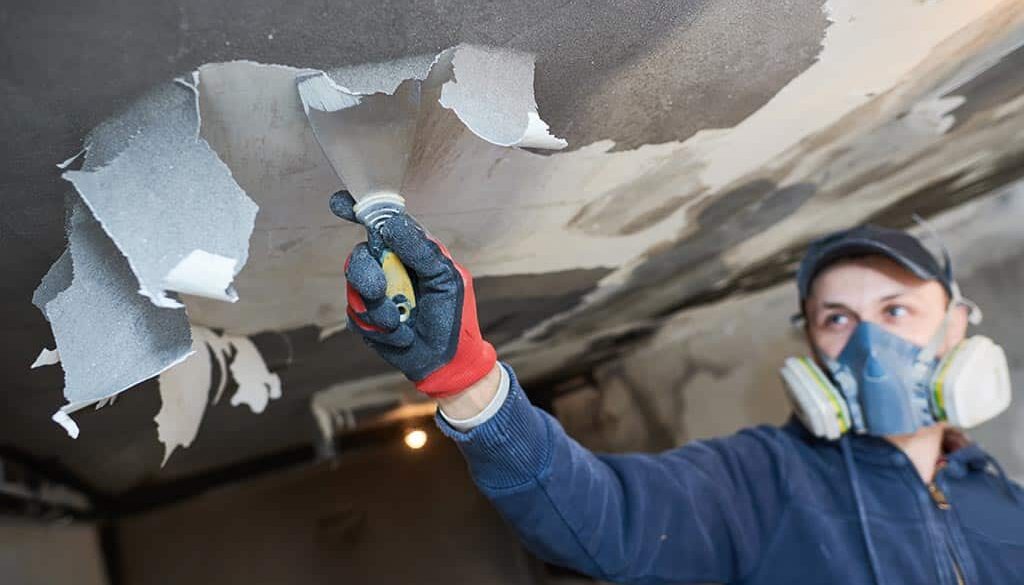
When it comes to what not to do after a home fire, waiting to call a fire restoration company is at the top of the list. After a fire moves through your home, it is important to have a professional assess the damage and begin to treat it. Smoke and soot can make it impossible to live in the home or properly assess the damage.
A larger fire may have damaged water or electrical lines, creating additional damage. The faster a restoration company comes in and starts work, the better the chances of saving more of your home from worse damage.
First Call Works with Your Insurance Company, So You Can Focus on Your Family
After a fire, there’s so much to do. But in the midst of all of the practical worries, you need to take care of yourself and your family. When you work with First Call’s Fire Restoration Team, they take care of everything necessary to restore your home.
From recording every step of the process, thoroughly addressing all types of damage present, and working directly with your insurance company, you can focus on your family while we focus on the rest.
We are proud to serve our neighboring communities in central North Carolina. Learn more about our fire restoration services. You can also read testimonials from customers who have worked with us to repair damage to their homes.
But home fires aren’t the only types of disasters that can destroy or damage your home. Water damage can lead to extensive mold, and many of these problems aren’t immediately evident. It’s only through intense disaster cleanup services that you can regain your house…and your peace of mind.
Often, after a disaster strikes, you may not be sure where to start. That’s why we’ve compiled this handy FAQ list to help guide you through this difficult time.
FAQs About Disaster Cleanup Services
When disaster happens, there’s an initial period of shock and disbelief. However, as reality starts to slowly sink in, a multitude of questions crowds your mind:
How am I going to clean this up?
What do I do next?
What will my insurance company say?
These are questions we are asked every day. That’s why we wanted to compile this useful piece of information about the most common ones we hear. Even better: We’ll offer answers.
Frequently Asked Questions About Disaster Cleanup Services
When Do I Need Disaster Cleanup Companies?
Floods, fires, tornadoes, severe thunderstorms—all of these disasters can destroy your home, business and things that you hold dear.
But it doesn’t always have to be a natural disaster to prompt the need for the pros. Even something as simple as a pipe that’s burst or the discovery of mold should prompt you to get on that phone and make First Call your first call.
First Call’s disaster cleanup services cover the North Carolina Triangle and Triad regions, encompassing Raleigh, Durham, Greensboro and Burlington.
Should I Try to Clean This Up Myself?
In short: no.
That’s because there’s often more to the damage than what meets the eye.
And if you make one false step, you could be putting the health of your family or employees in jeopardy.
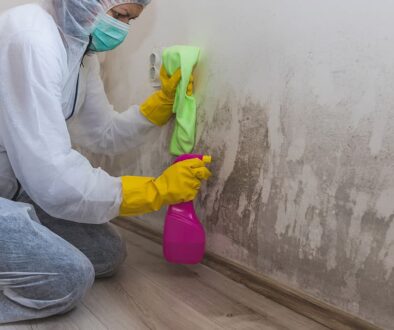
For example, flooding or a burst pipe can cause extensive water damage, but it can also create a perfect environment for black mold. Because this can cause several health problems, you’re better off letting the pros handle it. We have the protective equipment to ensure not only safety, but to make sure that the mold doesn’t spread to other parts of the house.
When Will I Be Able to Get Back Into My Home/ Business?
We wish we had a simple answer for this, but it depends upon so many factors.
First, there’s the extent of the damage. We also have to take into account whether the incident caused structural problems that have made the building or home unstable.
We also have to ensure that the area is free of any dangerous elements such as mold.
Second, we have to examine the size of the property that needs to be cleaned.
Finally, any furnishings or other objects should be considered.
We use these factors to determine a time frame.
At First Call, we promise that we’ll always be upfront and honest with you about our progress. We know it’s important for you to get back to life as usual, and we’ll complete our jobs in a way that is both safe, timely and thorough.
What About My Insurance Company?
We work with all insurance providers and adjusters. We’ll also carefully document our progress and work directly with your insurance company.
How Can I Tell If I Have Water Damage?
Often you can’t. However, there are several signs that indicate you should contact First Call:
- Peeling wallpaper
- Mold
- Condensation
- Increase in insects or pests
- Peeling paint
- Damp flooring
When Can I Enter My Property After a Fire?
We know you want to enter your property as soon as possible, but that’s not wise. In addition to the risk of smoke inhalation, there may be weakened structures you’re unaware of. This means your building could collapse around you.
It’s best that you take your instructions from local fire marshals and firefighters.
How Can I Protect My Property After a Fire?
We offer emergency board-up services that will protect your property. This helps keep it safe from looting and theft.
We will treat your property with the same respect and care that we would give our own. That means we want to safeguard that which is dearest to you.
Can You Remove Smells? My Home Smells Like Mold/Smoke
Absolutely!
The key is to completely and thoroughly clean the area after removing all soot (or water or mold) from every surface of your property.
Then, we can deodorize your home or business to permanently eliminate the odor.
Why Is First Call the Right Call? Let Us Show You
Some companies offer great customer service.
Some claim they’ll do a complete job.
Still others boast that they have cleaned large businesses.
But in the end, these are merely words. It is in our actions that our motives are truly seen, and that’s why First Call is always the right call.
We don’t just promise a complete job with stellar customer service—we deliver on these promises. Have a large area to clean? We’ve worked with businesses of all sizes including warehouses and universities.
We even have hospital-grade environmental disinfecting services.
Need more information? Call us for a quote. We’d love the opportunity to serve you.
Key Takeaways:
- Have the fire department inspect your home and utilities before you go back inside.
- Notify your insurance and mortgage companies as soon as possible.
- Make a list of damaged or missing items for your insurer and the restoration team.
- Keep every receipt and ask the fire department for its official report.
- Board up openings and tell the police the home will be vacant to prevent theft and animal intrusion.
- Call a professional restoration company promptly rather than waiting or attempting repairs yourself.
- Water damage and mold are often hidden, so look for warning signs like peeling paint, damp floors, and pests.
- First Call serves central North Carolina, works with all insurers, and handles fire, water, and mold cleanup, including odor removal.
—————-
Sources:
HAS, “Do You Have to Pay Your Mortgage if Your House is Destroyed?” https://www.hsh.com/homeowner/mortgage-when-house-destroyed.html
National Fire Protection Association, “Home Structure Fires,” https://www.nfpa.org/education-and-research/research/nfpa-research/fire-statistical-reports/home-structure-fires
Ready.gov, “Home Fires,” https://www.ready.gov/home-fires
State Farm, “What to Do After a House Fire,” https://www.statefarm.com/simple-insights/residence/what-to-do-after-a-house-fire