
In this article:
The statistics are frightening.
There’s an estimated average of 328,590 home fires every year, according to the National Fire Protection Association.
While to some, those may be just numbers, for those of us at First Call, we know that each one of these represents someone who may have been in danger, someone who may be displaced…
…someone who may have lost some of the sentimental items that meant so much to them.
Because there are an alarming number of home fires, we believe it is critical to understand how to safely extinguish different classes of fires to help protect your home, your business, and those who are dear to you. Understanding this difference and acting accordingly can make the difference between safety and disaster.
At First Call, we have seen firsthand the extensive damage fires can cause. Not only does it destroy your home, but it also carries a deep emotional impact. After all, this is the house where so many memories are made.
We’re always pleased when our fire remediation services can help families get safely home again. We’re also thrilled when businesses can resume operations, knowing that employees can breathe easier, and understanding that the remediation has created an environment that is safe again.
For decades, we’ve served residents and businesses throughout the Triangle and Triad region. Our full, turn-key restoration services are guided by our professional and thorough experts who are dedicated to providing the highest level of customer service. We pledge that we will always be honest and up-front with you, quoting the best price possible. Are you ready to make the right call and contact First Call?
In this article, we’ll first describe the types of fires and their fuel sources. Then, we’ll move on to how you can safely extinguish them.
What Are the 5 Main Classes of Fires?
Fires are named on a lettering system based on their causes. It’s vital to fully understand this information because the classification of the fire determines how to extinguish it, and failure to act accordingly can allow the fire to rage out of control.
The classes are:
- Class A: These are typical combustible materials. Class A fires consume items like cloth, paper, wood and even certain plastics.
- Class B: These fires affect liquid or gas flammable materials such as alcohol, tar, petroleum grease, gas and oil.
- Class C: These fires involve electrical equipment
- Class D: Fires involve combustible metals. Examples include: lithium, sodium and titanium.
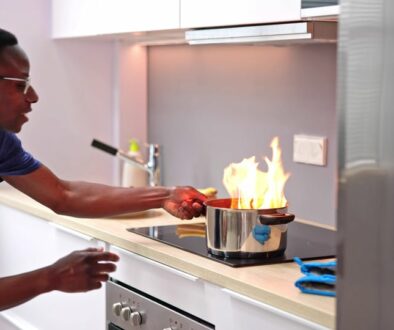
- Class K: Class K fires involve cooking oils and fats.
What Are the Causes/Fuel Sources of Each Fire Class?
Class A
If you’ve started a campfire, then you have a class A fire. Their fuel sources include wood, paper, cloth—more “typical” items. They’re the most common type of fire and often, the most straightforward to extinguish.
- Causes: It’s typically caused when something you’ve thrown away accidentally gets ignited. For example, throwing away paper or fabric that comes into contact with a cigarette that hasn’t been fully extinguished.
Class B
Gas, pain, kerosene and gases like propane are fuel sources for these fires.
- Causes: When you spill one of these flammable liquids, you should use the proper techniques for cleanup because spills are one of the main causes of Class B fires. Improper storage of fuel or solvents, as well as container leaks, can all contribute to starting a fire.
Class C
This classification of fires centers around electronic equipment, which serves as the fuel source.
- Causes: Often, the cause of a Class C fire is sparks from electrical tools, space heaters or appliances. In addition, faulty wiring and older buildings can create Class C fires.
How Should Each Class of Fire Be Extinguished?
Class A
- How to safely extinguish: You can put out this fire by using water, smothering it, or using a fire extinguisher. An important note: These fires can quickly get out of control. If the fire is larger or it looks like it could spread easily, call the fire department immediately.
Class B
- How to safely extinguish: You should NOT use water on a Class B fire because there is a risk that it will spread the flammable liquid. It’s best to use a fire extinguisher specifically designed to handle these types of fires.
Class C
- How to safely extinguish: Once again, water should NOT be used, due to the risk of electrical shock. To put out this fire, you have to use special extinguishers that utilize carbon dioxide or dry chemicals.
How Can the Class of a Fire Impact Remediation and Clean-Up?
The class and type of fire have a huge impact on how we approach remediation and clean-up. However, a few things remain the same: Our dedication to customer service and our ability to get you back into your home or business as soon as it is safe to do so.
Below, we’ll take a brief look at the different classes of fires and how their causes affect our method of cleanup.
- Class A fires are usually the most straightforward to clean up. As you recall, these include “simple” materials like wood, cloth and paper. For this type of fire damage, we’ll focus on removing soot, deodorizing and examining (and repairing) structural components.
- Class B fires are another story. They frequently leave behind toxic residue. Therefore, fire remediation requires hazmat protocols. The ultimate goal is to restore the area without contaminating other areas with chemicals and other hazardous substances.
- Class C (electrical) fires also leave soot behind. However, they also leave extensive wiring damage that can affect your appliances. This is where we call upon the expertise of a licensed electrician: There should be no remediation until professionals deem it is safe to do so.
- Class D fires, which include metals, typically create high temperatures. What this means for clean up is that reactive metal residue may still exist—and can easily ignite if not handled properly and carefully.
- Class K fires are common not only in homes, but in commercial kitchens as well. Grease-based soot is challenging to clean, which is why we use specialized cleaning agents to get the job done. In addition, grease fires tend to create lingering odors, which makes deodorization another critical component of cleanup.
Need more information about safely extinguishing fires? We encourage you to get the most reliable information from the authoritative National Fire Protection Association. When Facing Fire Damage, First Call Is the Right Call
There’s no substitute for decades of experience. After all, we’ve been offering complete cleaning and restoration services since 1989. Our dedication to excellence shows in every aspect of what we do, as reflected in testimonies from some of our loyal customers.
When disaster strikes, don’t take chances. Doing it yourself can jeopardize your safety, and you may unknowingly make the situation worse. Don’t hesitate. Contact us and we’ll start the process of getting you back into your home or business.
Key Takeaways
- Home fires are far more common than most people realize, with hundreds of thousands occurring every year.
- Understanding the five classes of fires is essential because each one requires a different, specific method of extinguishing.
- Class A fires involve everyday combustibles like paper, cloth, and wood and are typically the easiest to put out.
- Class B fires stem from flammable liquids and gases and must never be extinguished with water.
- Class C fires involve electrical equipment and require non-water extinguishing agents to avoid electrocution.
- Class D fires involve combustible metals and burn at extremely high temperatures, making their cleanup uniquely hazardous.
- Class K fires originate from cooking oils and grease and require specialized extinguishers and cleaning methods.
- The class of fire determines not only how to extinguish it but also how remediation must be handled afterward.
- First Call uses tailored cleanup strategies for each fire type to ensure safety, remove hazards, and restore your home or business.
- With decades of experience, First Call offers turn-key restoration services that prioritize safety, honesty, and helping families and businesses return to normal.
=====
Sources:
National Fire Protection Association, “Reporters Guide: All About Fire,” https://www.nfpa.org/about-nfpa/press-room/reporters-guide-to-fire/all-about-fire
National Fire Protection Association, “Home Structure Fires,” https://www.nfpa.org/education-and-research/research/nfpa-research/fire-statistical-reports/home-structure-fires
Pye-Barker Fire Safety, “What Are the 5 Different Classes of Fire — Pye-Barker Fire & Safety,” https://pyebarkerfs.com/what-are-the-5-different-classes-of-fires/
UCLA Health, “Classes of Fires & Fire Extinguishers,” https://www.uclahealth.org/safety/ambulatory-safety/ambulatory-fire-and-life-safety-program/classes-fires-fire-extinguishers