
Updated August 2026
In this article:
Hurricanes aren’t just a threat to the Carolina coast. Often, flooding and other damage come far inland. For example, Hurricane Fran went right over the Raleigh area. Others, such as Bertha and Floyd, affected nearby inland areas with intense damage.
After hurricanes or other catastrophes, you need natural disaster restoration that will help get your business back on track as safely and as soon as possible. Minimize your downtime and maximize your profits. Do the job right.
So, what do you need for remediation in the aftermath of a natural disaster such as a hurricane? We’ll take a look at the size and scope of the job and how First Call has you covered for whatever you may need.
How Do They Clean Up After a Hurricane?
There are several steps involved in cleaning up after a hurricane. We complete each one thoroughly and thoughtfully to ensure the best results. Therefore, your business can get rolling again as soon as possible.
These steps include:
Assessing initial damage.
We carefully examine your business and take photographs. We provide all documentation needed so we can communicate closely with your insurance company. This saves you time and headaches.
After all, you’re going through enough stress after a hurricane, so let us take some of the burden off of you. Damaged HVACs create a lot of issues. We examine them carefully to ensure there is no mold.
Water Cleanup
All cleanup is important, but water cleanup is especially critical. Floodwater can be dangerously contaminated, and damaged items must be cleaned and dried as soon as possible.
The Centers for Disease Control cautions that floodwaters and standing water may contain contaminants such as human and animal waste in addition to coal waste. Water may also contain hidden animals such as snakes.
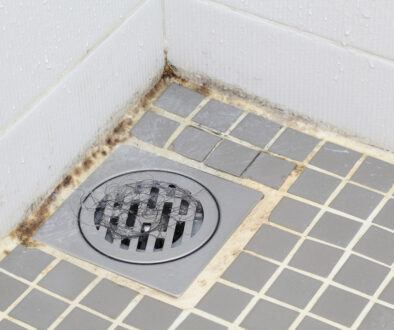
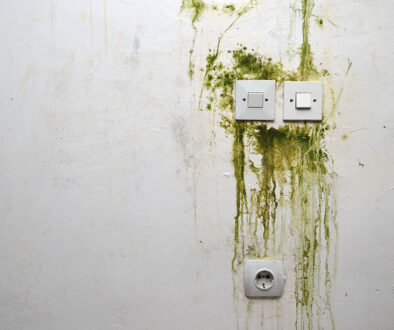
Mold can begin to grow within 24 hours after water damage has occurred. Any delay means a longer and more extensive remediation.
Mold must be removed in a manner that prevents contamination of other areas. This is why First Call has the right equipment to do the job. We’ll set up a negative air pressure environment to be sure that spores aren’t released to settle in other areas of your business.
Clean and Examine Drywall
Sometimes, drywall or ceiling panels can be salvaged depending upon the extent of the damage. However, this determination is time critical. The right cleaning and disinfectants must be applied to these surfaces within three days. If it’s not possible, then the drywall must be removed.
Successful restoration of these items also depend upon if the surface is porous or nonporous.
If drywall has to be removed, then beams and studs should be cleaned as well.
Treating Areas
Cleaning works to remove stains, but it doesn’t take care of mold or mildew. Once the area is cleaned, the mold will need to be eliminated and the area decontaminated.
Cleaning up After a Hurricane Isn’t a DIY Job
It’s tempting to get out the rubber gloves and bleach and start doing the job yourself, but this presents certain problems—and it’s a danger to your health.
As the experts in natural disaster remediation, we have the extensive gear needed, including respirators and the ability to clean up materials such as sewage without contaminating other areas of your business.
Failing to establish these protocols leaves the job incomplete and may expose the company to liability should employees suffer health issues resulting from improper cleanup.
First Call is the Right Call for Natural Disaster Restoration
When your business is affected by the aftermath of a hurricane, time is critical—remediation must begin immediately to stop mold and other contaminants from causing further damage.
First Call understands not only the importance of doing a job right, but how vital it is for your business to be running smoothly and efficiently. That’s why we have served customers in the Burlington, Triangle and Greensboro areas for decades. Whether you are a small accounting firm or a major corporation, we have the tools and the knowledge to provide the highest level of service.
See why we have been the cleaning and restoration company of choice for thousands of area customers. Don’t wait, contact us today.
Recovering from a hurricane is never easy, but the businesses and homeowners who bounce back fastest are usually the ones who didn’t wait for disaster to strike before thinking about it.
Remember that not only does a disaster plan put you in control before a storm, but it means things will go much smoother during a remediation.
Next, we’ll take a look at the elements of a disaster plan and why it’s so critical.
The Importance of Developing a Detailed Disaster Plan
Disasters are unpredictable and can happen to anyone at any time. Disasters don’t care if you’re rich or poor. Disasters don’t care if you’re at home, or if you’re 3,000 miles away.
Due to the unpredictability of experiencing a disaster at some point in your life, it is extremely important to have a plan. The use of a disaster plan will ensure you are prepared at a moment’s notice and will help minimize chaos once a disaster has occurred.
Things to Consider When Developing a Disaster Plan
While you begin to develop this plan for your home and/or office there are a few things to consider.
Include Everyone
First of all, be sure your disaster plan includes everyone that could possibly be under your watch. This could be your employees, any of your customers, your family, your friends, and lastly, your pets.
Once you determine the general size of the coverage you’ll need, you can tailor your plan to accommodate everyone accordingly. Knowing the extent of those under your watch will also come in handy when it is time to delegate specific responsibilities. Appointing everyone with a task will guarantee everyone stays focused and the scene is under control.
Have a List of Emergency Contacts
Once you determine who will be doing what within the disaster plan, it is important that you compile a list of emergency contacts. When it comes to emergency contacts, be sure they are dependable people who are far enough away to have not been affected by said disaster.
You should have (at least) one emergency contact per employee/member of the home stored in multiple safe places.
Be Ready With an Emergency Kit
The emergency contacts aren’t the only documents you’re going to need to keep safe and secure. Building a disaster plan should also include constructing a disaster emergency kit. Within your kit, you should make sure you have a few necessities:
- A substantial amount of water
- Flashlights
- A weather radio
- Extra, dry clothes
- Any medications
- Emergency bank statements and personal identification
Keep Everyone Informed
Upon completion of the disaster plan and your emergency disaster kit, make sure you hold a family/employee meeting in order to share the plan with all those it affects. If a certain route is established to exit the premises, be sure you and the others practice the routine.
Practice and preparation are going to ensure you, and those you’re responsible for, handle the disaster at hand with the utmost efficiency.
If you are unclear on how to get started on your own disaster plan, visit The Red Cross for more information.
A disaster plan gives you the framework, which includes the contacts, the kit, the roles everyone plays when things go wrong. But when it comes to the severe weather that hits the Piedmont and Triangle regions, your home itself needs a plan too.
Tornadoes, flash floods, and violent thunderstorms don’t just test your family’s readiness; they test your windows, your roof, and your gutters. Here’s how to make sure your house is as prepared as you are.
Are You Ready? 10 Tips to Prepare Your Home For Summer Storms
You may think that the Greensboro, Burlington and Triangle areas are far enough inland that you don’t have to worry about hurricanes, so there’s not much need for storm preparation.
Think again.
While hurricanes may not be among the top concerns, it’s vital to prepare your home for summer storms because violent weather can quickly appear without warning. The Piedmont and Triangle regions of North Carolina are susceptible to severe conditions such as tornadoes, floods and devastating thunderstorms. It may surprise you to know that, on average, North Carolina has 26 tornadoes a year.
At First Call, we want you to be prepared for the unexpected, so we’ll take a closer look at the top 10 tips on how to prepare your home for summer storms, and what to do if your home is damaged by them.
Our Top 10 Tips to Prepare Your Home for Summer Storms
1. Understand Your Risk
Do you live near a creek that could easily flood? A key to preparation is understanding the inherent risks in your area. Once you do, you can prepare and do research on what to do during severe summer storms.
2. Create an Emergency Plan
We briefly touched on this earlier, but it is so important, we wanted to go into more detail.
First, the safety of your family is vital. Everything around your emergency plan should be centered around keeping everyone secure and prepared for an evacuation if necessary. That’s why we believe you should not only create an emergency plan, but you should have practice drills to ensure everyone has a thorough understanding of what to do.
Second, there are things you can do ahead of a storm that should be a part of an emergency plan. These include reviewing your insurance policies to be sure you have a comprehensive understanding of what is covered.
3. Seal Your Windows and Doors
Wind and water can find their way through even the tiniest spaces into your home, causing damage not only to the structure but to your furnishings and the cherished items that you love.
Don’t forget that it is possible that wind can funnel through your house and actually lift the roof, especially in areas that are prone to tornadoes and high winds. Sealing windows and doors is a crucial part of preparing your home for summer storms.
4. Install Storm Shutters
These can be easily installed or you can also make your own. If it’s a DIY project, be sure to follow specific instructions to the letter ensuring there’s enough overlap. Don’t overlook the importance of protecting skylight windows as well.
5. Trim Trees and Secure Loose Objects
Your patio furniture is a great addition to your deck, but when threatening weather arrives, be sure these items are secured inside. Likewise, trimming trees is a good way to prepare your home for summer storms—it dramatically decreases the likelihood that large branches will fall onto your house or damage windows.
6. Clear Your Yard
Do your kids love to play in their treehouse? Maybe you’ve set up a small playground with slides and swings. When serious weather strikes, it’s important that your yard is clear. Even something as small as a flowerpot can become a dangerous projectile.
If you cannot remove the playground or other objects, have a plan in place on how to secure them.
7. Examine and Secure Your Doors
Do you live in an area that’s notorious for severe weather? Do you frequently get tornado warnings?
If so, take a closer look at the type of doors you have. Remember, high winds can easily tear double doors, sliding doors and French doors. You may want to consider installing steel doors as a precaution.
8. Clean Your Gutters and Downspouts
This is not the time for your gutters to be clogged! Making sure they are clean helps ensure more efficient draining. This can also help you avoid roof damage.
9. Keep Up With Roof Maintenance
When was the last time you checked your roof? Your roof is a vital part of your home’s protection. Apply sealing where needed to prevent water damage from oozing into your home.
10. Inspect–and Seal–Any Cracks
You can’t protect yourself when you don’t know what’s there. We recommend a thorough home inspection, paying careful attention to any cracks in your foundation. If you find them, seal them immediately.
If You Do Get Water or Storm Damage, Remember That First Call Is the Right Call
Don’t delay.
Excess water can cause damage within minutes. It can also cause permanent damage. But more than that, it can also have detrimental long-term effects on your health: Water damage paves the way for mold and other problems.
Have you experienced storm damage? Want to know more about how to prepare your home for summer storms? Has your basement flooded and do you need reliable water restoration?
See why First Call has fostered a reputation for excellence from our decades of serving customers as the leading restoration company in Triangle, Greensboro and Burlington. Contact us for more information.
Key Takeaways:
- Hurricanes and severe storms cause significant damage well inland in North Carolina, not just along the coast, making preparation essential for Piedmont and Triangle businesses and homeowners.
- Post-hurricane cleanup involves a specific sequence: damage assessment and documentation, water/floodwater cleanup, mold prevention, and drywall inspection and treatment, all of which must happen quickly to limit damage.
- Floodwater can be contaminated with human/animal waste and other hazards, and mold can start growing within 24 hours, so delays significantly worsen the remediation process.
- Drywall salvageability depends on quick action (cleaning/disinfecting within three days) and whether the surface is porous or nonporous.
- DIY hurricane cleanup is risky and can expose business owners to liability if employees suffer health effects from improper handling of contaminants.
- Having a detailed disaster plan, covering all people involved, emergency contacts, an emergency kit, and clear communication, helps minimize chaos and speeds up recovery when disaster strikes.
- Homes in the Piedmont/Triangle region face real risk from tornadoes, flash floods, and thunderstorms even without direct hurricane impact, averaging 26 tornadoes per year in North Carolina.
- Ten preventive home measures, from sealing windows and installing storm shutters to trimming trees, clearing yards, and maintaining roofs/gutters, can substantially reduce storm damage.
- First Call positions itself as the go-to disaster restoration provider for Burlington, Triangle, and Greensboro businesses and homeowners, emphasizing speed, expertise, and proper safety protocols.
————————-
Sources:
American Red Cross, “How to Prepare for Emergencies: Make a Plan,” https://www.redcross.org/get-help/how-to-prepare-for-emergencies/make-a-plan.html?srsltid=AfmBOopiH4igwLa5oOxpZEI0roqRlYH4laTmlV-MppOzP30MTK0ECHnC
Centers for Disease Control, “What to Do to Prevent Getting Hurt or Sick After a Disaster,” https://www.cdc.gov/natural-disasters/response/index.html
National Weather Service, “Hurricane Fran,” https://www.weather.gov/ilm/HurricaneFran