In this article:
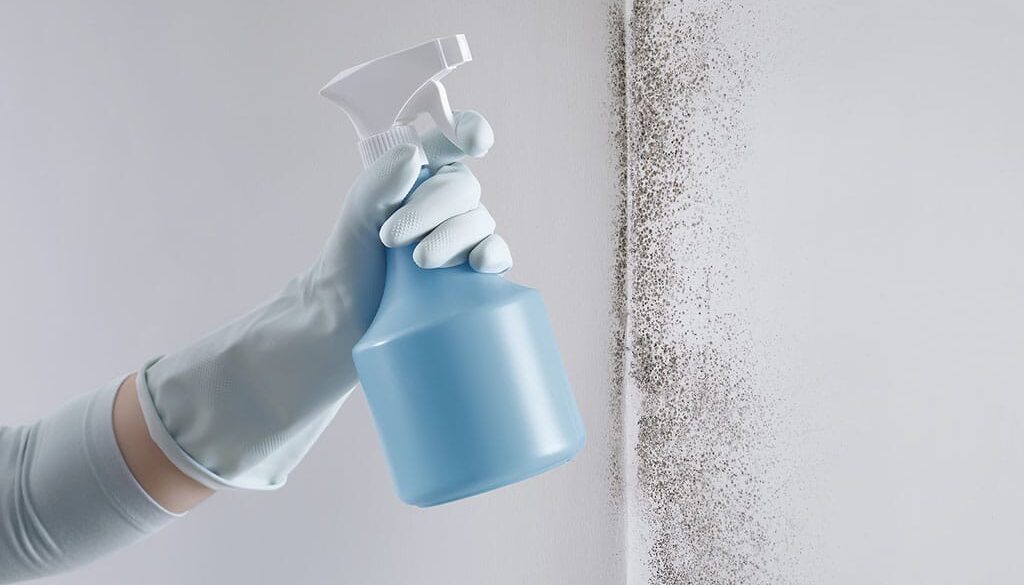
No one wants to see mold creeping along the bathroom grout or the edges of your walls. You reach for the cleaning spray. Does bleach kill mold? Of course it does! Time to get started…
…but slow down a minute. There are some vital facts you’re overlooking; facts that can demonstrate you are putting your health at risk.
While bleach can kill some types of mold, it’s key to realize it kills mold only on the surface. As with so many things, there’s more to mold than meets the eye.
We know the nagging feeling that mold could be creeping into your home and compromising your wellness. We also understand the often devastating consequences of failing to take care of it in a timely manner. That’s why First Call is always the right call.
Since 1989, our full, turn-key cleaning and restoration services have helped thousands of businesses, homes and schools operate safely. We give you honest advice coupled with the best pricing available. Want to know more? Simply contact us today.
Does bleach kill mold? The answer isn’t as simple as you may think. In this article, we’ll outline more details and provide 5 vital reasons you should leave this task up to the pros.
But first, a brief lesson in Mold 101:
What Is Mold and What Causes It?
Mold is a fungus. It thrives in moist, damp environments, and chances are you already have microscopic mold spores in your home. Typically, this doesn’t cause a problem–unless they can “latch on” to a moist environment where they can thrive and grow.
Any area of your home where there are leaks, condensation or high humidity can cause mold to breed and flourish.
Does Bleach Kill Mold? Why Should You Call a Professional for Mold Removal?
1. You’ll Get an Accurate Assessment of Where ALL the Mold Is
The mold in your home isn’t limited to what you can see. It can also lurk behind the walls or even in your HVAC system. If you only tackle the visible spots, you’re not getting to the heart of the problem. Getting a proper look at the full extent of the mold is key, and that’s where our team at First Call clearly demonstrates we’re the right call.
2. Professionals Go Far Beyond Surface Cleaning
If you use your spray bottle of bleach and “remove” the mold from the problem area, you may believe that your job is complete.
However, as we mentioned earlier, the mold you see is only a small fraction of what may actually be in your home. That’s why professionals at First Call go beyond mere cleaning—we actually specialize in remediation. This means we not only take care of the problem, but we also help ensure your area is safe again.
3. We Can Eliminate Mold at Its Source
Cleaning for mold is one thing. Locating the source? That’s where it can get a little tricky. If you don’t properly identify the source of the mold, it’s much more likely to come back, and you’re stuck in a perpetual cycle.
At First Call, we conduct a thorough examination to be sure we’ve targeted the sources of moisture that can be compounding your problem. By remediating this, we can help ensure that your mold is gone for the long run.
4. Professionals Have the Equipment Needed
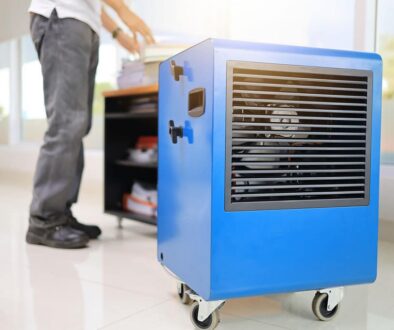
Taking care of mold means much more than wearing rubber housecleaning gloves. The pros have a keen sense of the dangers that can be caused by inhaling these substances. They use respirators and specific containment equipment and techniques to keep the mold from spreading to other parts of your house—all the while keeping you safe.
5. Long-term Results That Keep You in Compliance
Have you discovered mold in your business? Failure to address it could open you up to liability. If mold is in your home, you want to be sure that long-term results mean this problem will not arise again. You can only get this kind of assurance from the pros.
Is It Dangerous to Use Bleach to Get Rid of Mold?
It certainly can be.
Bleach uses harsh chemicals that can place you at risk. Fumes can cause respiratory irritation, particularly if you use it in poorly ventilated areas. In addition, if you mix bleach with certain other cleaners (like ammonia), the result can be toxic gases that pose an immediate health risk.
Bleach seems like a good standby for cleaning, especially since it has a reputation of being the perfect all-around cleaner. But it can often give you a false sense of security. Mold usually lurks beneath the surface, which means even though it looks “clean,” there are still potential health problems hiding below the surface.
What Is the Main Problem With Using Bleach to Kill Mold?
We’ve mentioned some of them above, but perhaps the greatest problem is the health risk that it poses. Bleach can cause severe respiratory issues, and most homeowners don’t have equipment adequate enough to protect themselves.
Other issues include:
- Bleach only treats surface levels of mold—not the initial cause.
- Dead mold can easily trigger allergic reactions.
- Bleach cannot adequately clean porous materials such as wood, drywall or carpet.
Don’t Delay! Make the Right Call and Contact First Call Today
Every moment you delay addressing mold, water intrusion, or air quality issues can compound the problem and compromise your health, safety, and property value. First Call stands ready to respond with comprehensive services.
You’re not looking for a company that takes shortcuts. You’re looking for a valued partner who understands how precious your home or business is to you. That’s why we stand by the highest principles of honesty and fairness.
Contact us so we can help you toward a healthier, safer space.
Key Takeaways:
- Mold spores are naturally present in every home, but visible growth occurs only when moisture is present.
- Bleach can kill some mold on surfaces, but it does not eliminate mold below the surface or in porous materials.
- Moisture control is the most important factor in preventing mold growth and long-term damage.
- Professional mold remediation ensures the full extent of mold is assessed and addressed, including hidden areas like behind walls or in HVAC systems.
- First Call professionals specialize in eliminating mold at its source using proper equipment, containment methods, and safety protocols.
- Dead mold left behind can still cause allergic reactions, so surface cleaning alone is not sufficient.
- Using bleach improperly can create health hazards, including respiratory irritation and toxic gas exposure.
- Mold remediation by trained professionals provides long-term results and helps ensure compliance with safety standards.
- Timely action is critical because delaying mold cleanup can worsen health risks, property damage, and liability.
- First Call offers honest advice, comprehensive services, and a proven track record in protecting homes, businesses, and schools since 1989.
=====
Sources:
Environmental Protection Agency, “B Brief Guide to Mold and Moisture Your Home,” https://www.epa.gov/mold/brief-guide-mold-moisture-and-your-home