In this article:
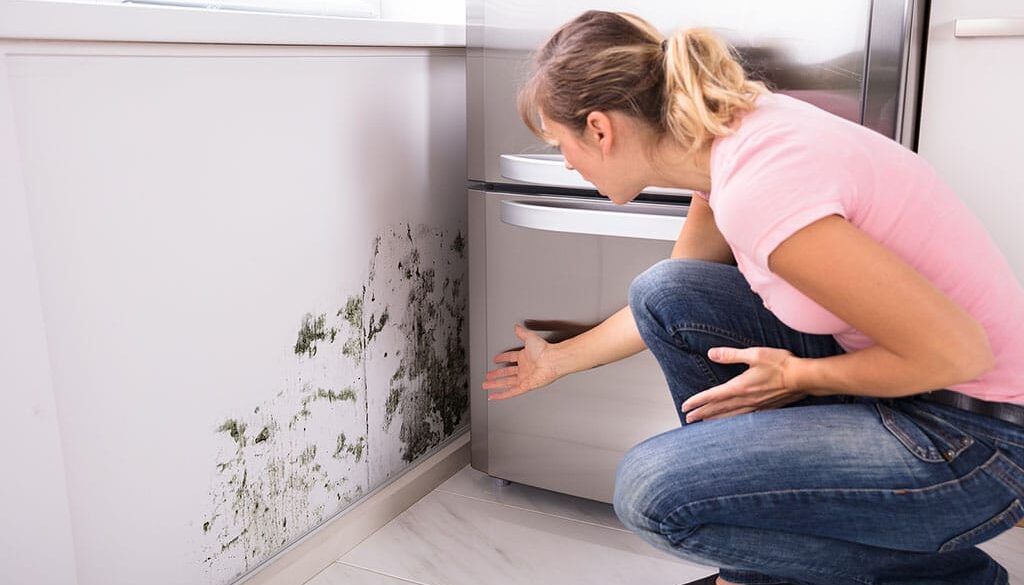
They may look the same, but they can both have devastating effects on your home.
Many don’t realize there are distinctive differences between mildew vs. mold, and both must be evaluated by one of our professionals for the most effective, specific treatment.
In this blog, we’ll examine the differences between mildew vs. mold, how to prevent it and how to treat it.
At First Call, we’ve been serving residents and businesses in the Greensboro/Burlington and Triangle areas since 1989. Our dedication to service is what sets us apart. In addition to free estimates, we guarantee all our work. You can also trust our employees. Out of over 100 North Carolina restoration companies, we are one of the 5% that regularly drug test our employees. Take action because First Call is always the right call. Contact us today.
What Are the Main Differences Between Mildew vs Mold?
Mold and mildew have a lot of things in common:
- They’re both fungi
- They develop due to excessive moisture
- They begin as tiny spores
However, there are important, distinctive differences, as the table below demonstrates.
Differences of Mildew vs Mold
|
Mold |
Mildew |
|
Can be many different colors: black, green or white. |
Typically, it is gray, white or light yellow. |
|
Tends to have a fuzzy appearance. |
Is typically powdery and flat. |
|
Can penetrate below the surface of objects. |
Grows on top of flat surfaces. |
|
Can thrive on any organic matter, and this includes more than ceilings and walls. It also grows on leather, paper and clothing. |
Essentially thrives on shower walls and windowsills, seeking areas where there are high moisture levels. |
|
Produces a strong, musty odor. |
Also smells musty, but not as strongly as mold. |
|
Can cause serious health problems. |
Can cause health problems, but generally not as serious as mold. |
|
Requires intensive cleaning and removal. |
Can usually be handled as a DIY project |
Is Mildew As Harmful As Mold?
Both mildew and mold can cause significant health problems, although mildew’s symptoms are typically much milder than mold’s.
Mildew can cause coughing fits and other minor breathing problems, but mold can actually cause asthma attacks.
Mold can also cause allergic reactions and pneumonitis (inflammation of the lungs). Mold targets the most vulnerable populations:
- The elderly
- The very young
- Those with a compromised immune system
- Those with asthma
- Those with allergies
- Expectant mothers
- Those with COPD or other chronic lung conditions
Can You Clean Mildew on Your Own?
This depends upon how extensive your problem is and if you can accurately identify that you have mildew vs. mold. Typically, you can use specialized cleaners to remove mildew. Just be sure to have adequate ventilation for the area.
How Can You Prevent Mold and Mildew Growth?
There are several steps you can take to prevent mold and mildew growth. These include:
- Keep an eye on your humidity levels; it’s best to keep them between 30% and 50%
- Use dehumidifiers when needed
- Fix any leaks in a timely manner
- Be sure to ventilate damp areas such as bathrooms, laundry rooms and basements
- Immediately dry areas that have water damage
Not Sure If You Have Mold vs. Mildew? First Call Is the Right Call
When it comes to the safety of your home, school or business, you need a company you can trust. First Call has been family-owned and operated since its inception, and we emphasize our family values of honesty and integrity in every interaction with our customers.
Need a free inspection? Just make the right call and contact us.
Key Takeaways:
- Mold and mildew are both fungi that develop from spores in high-moisture environments, but they differ in color, texture, growth pattern, odor, and severity of impact.
- Mildew is generally less harmful than mold, typically causing mild respiratory issues, while mold can trigger asthma attacks, allergic reactions, and lung inflammation.
- Mold is more dangerous to vulnerable populations, including the elderly, young children, pregnant women, and those with compromised immune systems or chronic lung conditions.
- Mildew can often be removed as a DIY project using specialized cleaners, whereas mold requires professional, intensive cleaning and removal.
- Mold and mildew growth can be prevented by controlling indoor humidity (30–50%), fixing leaks promptly, using dehumidifiers, and ensuring proper ventilation in damp areas.
=====
Sources:
EPA, “What Is the Difference Between Mold and Mildew?” https://www.epa.gov/mold/what-difference-between-mold-and-mildew
Grainger, “Mold vs. Mildew: What’s the Difference?” https://www.grainger.com/know-how/operations/preparedness/kh-mold-vs-mildew-whats-the-difference
OSHA, “How to Identify Different Mold Types,” https://www.osha.com/blog/identifying-mold-types