In this article:
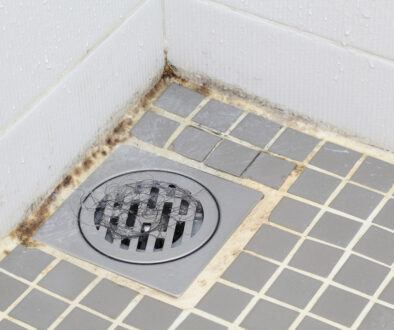
Mold can lurk in corners and on the ceiling. At first, it may not be immediately noticeable until it spreads, presenting more than a nuisance; it becomes a threat to your health.
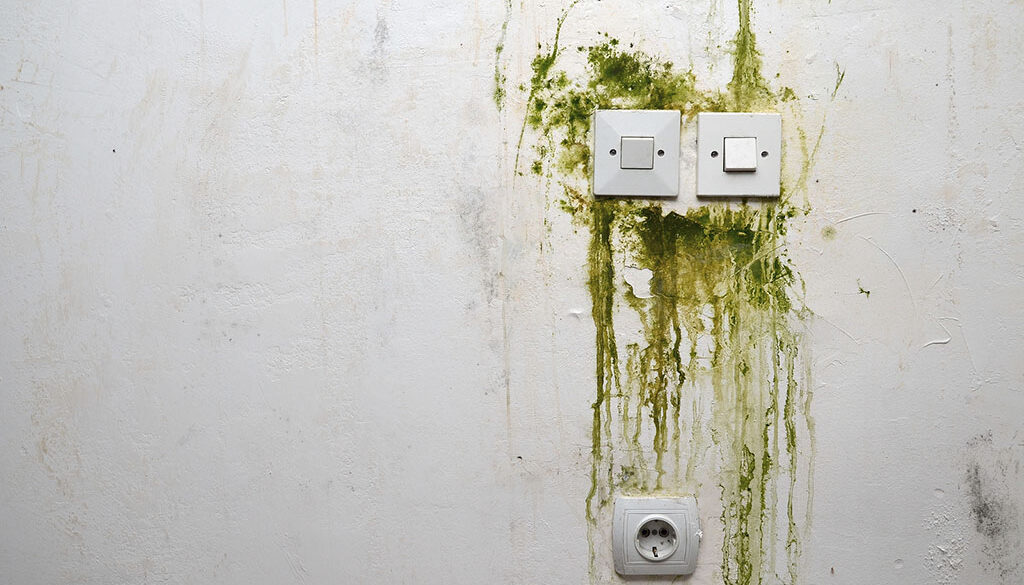
While there are many types of mold, we’ll focus this article on green mold, particularly answering questions such as ‘is green mold dangerous?’ and ‘how is it different from “regular” mold?’
First Call is your solution, getting rid of green mold and other types of mold. We’re family-owned and operated, serving as the leading restoration company for the following NC counties:
- Wake
- Durham
- Orange
- Alamance
- Forsyth
- Guilford
Our mission is to provide complete, turn-key restoration services with honest advice and the best available pricing. Have you discovered mold in your home? Don’t delay. Make the right call by calling First Call. Contact us today.
What Is Green Mold and How Is It Different From “Regular” Mold?
First, we encourage you to not focus too much on the color. Any type of mold has the potential to be hazardous and harmful to your health. Therefore, there is no one mold that is “less dangerous” than others.
Remember that mold color is affected by many things, such as:
- Its food source
- The amount of light
- The humidity level
It’s also possible for the same mold to change colors. So even though your mold looks green, it might not meet the scientific criteria for green mold.
So how can you tell?
You can’t. And that’s why issues like this are better left to the pros. At First Call, we have the experience and expertise to not only identify the mold, but more importantly, to get rid of it. Your health is at stake. Don’t ignore your problem—doing so means it will only get worse over time. Make the right call. Contact us.
Is Green Mold Dangerous?
It can be, particularly if you have allergies, asthma or a compromised immune system. Mold can release mycotoxins, which are potentially toxic. Of course, there are several variables. The level of danger can depend upon how much green mold is in your house, the specific type of mold and how long you have been exposed to it.
What Are the Health Risks of Green Mold?
Green mold can cause multiple respiratory problems, including allergic rhinitis. Some symptoms associated with mold allergies include:
- Runny nose
- Sneezing
- Cough
- Postnasal drip
- Itchy eyes
- Dry skin
In addition, if you have asthma, mold exposure can cause a severe asthma attack. Be sure to watch for signs such as:
- Coughing
- Shortness of breath
- Wheezing
- Chest tightness
Should I Get Rid of Green Mold on My Own?
We know a lot of home improvement shows on TV and the internet make mold removal look like a simple and straightforward process. In actuality, the situation is much more complicated.
Whenever you disturb mold, it releases spores, which can spread throughout your house. As a restoration company for Burlington, Raleigh and the surrounding areas, First Call utilizes specific protocols to ensure that the mold doesn’t inadvertently spread.
Cleaning mold can also expose you to harmful chemicals and mold spores. Only a professional mold removal company like First Call can complete the job safely.
How Can I Prevent Green Mold From Forming in the Future?
Of course, the best mold treatment is to prevent it from forming in the first place. Here are some useful tips on how to keep this fungus away:
- EPA recommendations are for the indoor humidity to be below 60% relative humidity. Ideally, the indoor humidity should be between 30% and 50%.
- It’s vital to run exhaust fans anytime you’re bathing or cooking.
- Remember to repair all leaky faucets and pipes in a timely manner.
- Be sure to clean your gutters.
- You should examine water drainage and make sure it drains away from your home.
- It’s also crucial to properly insulate your house.
- Check your windows and doors for leaks. If you find an air leak, replace the windows and repair or replace the door.
When It Comes to Safely Getting Rid of Mold, First Call Is the Right Call
We care about you and your family. We want to see your business succeed. We believe in keeping school buildings safe. Mold can pose a threat to all of those, affecting your health and, if you’re a business owner, potentially opening you up to liability risks.
We know how to remove mold safely so that it doesn’t inadvertently spread throughout your home. And we’ll give an accurate and timely estimate. See why we’ve been trusted for decades. Contact First Call today.
Key Takeaways
- Mold, including green mold, can go unnoticed until it spreads and becomes a health hazard.
- Green mold isn’t necessarily more or less dangerous than other molds—color doesn’t determine toxicity.
- All mold types, regardless of appearance, should be treated as potentially harmful.
- Green mold can release mycotoxins, which are particularly risky for people with allergies, asthma, or weakened immune systems.
- Exposure to green mold may cause symptoms like sneezing, coughing, itchy eyes, and even asthma attacks.
- DIY mold removal is not recommended, as disturbing mold can spread spores and increase health risks.
- Professional mold removal companies like First Call use specialized containment and removal procedures to eliminate mold safely.
- To prevent mold growth, control humidity levels (ideally 30–50%), fix leaks promptly, and ensure proper ventilation and insulation.
- First Call serves several North Carolina counties and offers expert, turn-key mold remediation with transparent pricing and trusted service.
=====
Sources:
American Academy of Allergy, Asthma and Immunology, “Toxic Mold Syndrome,” https://www.aaaai.org/tools-for-the-public/conditions-library/allergies/toxic-mold
Environmental Protection Agency, “How Do Molds Affect People?” https://www.epa.gov/mold/how-do-molds-affect-people
Mayo Clinic, “Mold Allergy,” https://www.mayoclinic.org/diseases-conditions/mold-allergy/symptoms-causes/syc-20351519
Occupational Safety and Health Administration, “Identifying Mold Types,” https://www.osha.com/blog/identifying-mold-types
University of Georgia Cooperative Extension, “Preventing Mold In Your Home,”https://extension.uga.edu/publications/detail.html?number=C1047-1&title=preventing-mold-in-your-home