
In this article:
You would never deliberately expose yourself to dangerous chemicals and fumes, yet so many take this course of action when they attempt bathroom mold removal by themselves.
We understand; No one wants to turn off a shower only to discover mold peaking along the bathtub walls and grout. It’s frustrating, and the thought of calling a company to handle the problem for you may seem overwhelming. After all, your schedule is packed as it is. Do you really have time for this?
Actually, First Call can handle mold removal in an efficient manner to enable you to get back to your regular schedule as soon as possible. We believe when it comes to bathroom mold removal, your safety—and the safety of your entire home—is our first priority…
…and that starts with avoiding the temptation to do it yourself.
At First Call, we understand the dangers that mold presents, and we know that if mold remediation isn’t handled correctly, it can spread throughout your entire home. That’s why we believe in treating all our customers with the highest level of service combined with honesty, care and respect. We’ve helped restore homes and businesses throughout the Triad and Triangle areas. We invite you to contact us for a hassle-free quote today.
Next, we’ll take a closer look at 5 reasons that you should not attempt this as a DIY project.
Bathroom Mold Removal: 5 Reasons You Should Let First Call Do the Job
Is It Safe to Clean Mold in a Bathroom on Your Own?
In short, this depends upon the type of mold and the extent of the damage. There’s a huge difference between having just one spot of mold and having mold that is slowly spreading. Cleaning bathroom mold involves harsh cleaners, and without adequate protection, you could be placing your health in jeopardy, or even spreading mold around your house.
So, we’d like to go into greater detail about five reasons you should not try bathroom mold removal on your own.
1. You could have toxic mold.
It’s not always evident what type of mold you have. To the untrained eye, many molds look alike, and it is only through testing that you can get an accurate view of what you have. Black mold (and some others) can have something called mycotoxins. Mycotoxins are chemicals that are released by mold. They can lead to respiratory problems.
2. You could inadvertently spread mold around your home.
When removing mold, it’s vital that it is contained. Even the smallest spore can spread throughout your entire home—and molds release spores when they are disturbed. This is why you must have a containment system in place when removing mold. At First Call, our specialized equipment enables us to prevent the spread of mold while we attack it at its source.
3. There could be mold that you don’t see.
You’ve likely seen the photographs of icebergs that reveal that only the very top of the iceberg is above water; the majority of the iceberg is underwater.
You could think of mold in the same way.
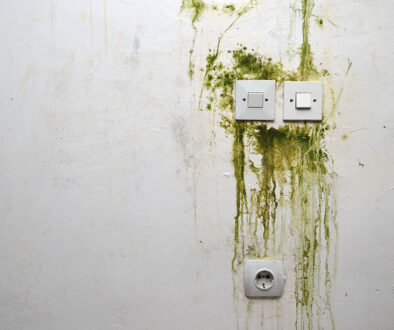
What you see is only the very surface. There could be more extensive mold lurking behind walls, under tiles or inside drywall. Sure, you can clean the surface, but the mold will likely return.
4. You may be unaware of structural damage.
Did you know that long-term moisture and mold can cause the internal structures of your home to weaken? It’s highly likely you won’t notice these issues until you work with a mold remediation company near you like First Call.
5. You may need to have documentation.
If you have a larger infestation, your insurance company may have a specific set of requirements. In addition, be aware that if the extent of the mold violates building codes, DIY removal is not considered adequate. It must be done by professionals who have received intensive training in bathroom mold removal.
Why Is Mold So Common in Bathrooms?
Your bathroom isn’t just the perfect place to enjoy a hot shower or relax with a bubble bath; it’s also the ideal environment for mold to not only grow, but thrive. Mold simply has everything it needs to develop:
Moisture? Check
High humidity? Check.
Poor ventilation? Check.
Other contributors from your bathroom include:
- Warm temperatures
- Limited airflow
- Hidden leaks: Small plumbing leaks in this area are easy to overlook and may often go unnoticed.
- Porous materials like drywall, grout and caulk can trap moisture. Soap scum can even be a contributor.
What Are Some Common Types of Bathroom Mold?
Some common types of bathroom mold include:
- Black mold: This dreaded mold grows in areas that have excessive water coupled with poor ventilation.
- Cladosporium: This makes its home in grout and tile—making your bathroom a perfect place for it to call home.
- Alternaria: If you don’t remove excess water from your shower or tub, you could invite this type of mold into your home. It loves walls that stay damp.
- Penicillium: This is particularly common in water-damaged materials, but can grow in any place with persistent moisture.
- Aspergillus: While this mold comes in many varieties, many of them grow in warm, humid indoor areas.
How Can You Prevent Mold From Growing in a Bathroom?
Of course it’s much easier to prevent mold from forming than to facilitate its removal. You can prevent mold from growing in your bathroom by:
- Ensuring your bathroom is properly ventilated
- Use bathroom fans when appropriate
- Dry out bathroom items
- Clean regularly
- Repair leaks in a timely manner
- Invest in mold-resistant items
When Should You Call a Professional Bathroom Mold Removal Company?
If you have persistent or recurring mold, or mold that has manifested itself on the bathroom walls, please contact First Call. Our professional mold remediation services will not only take care of your mold issue, but help ensure it does not reappear.
For Reliable Bathroom Mold Removal, First Call Is the Right Call
No one wants the hassle of cleaning up bathroom mold. If not handled correctly, it could not only cause the mold to spread, but also present health problems.
We’ve mentioned the disadvantages and the dangers of removing bathroom mold by yourself. But there’s one thing we didn’t mention. The prospect of extensive mold removal is not only dangerous, but it’s very stressful. You’ll have to juggle dangerous chemicals, use protective equipment, and somehow try to ensure that tiny, minute particles of mold won’t spread.
That’s why you should leave the headache to us. Not just for your peace of mind, but for your health. Make the right call—contact First Call today.
Key Takeaways:
- Attempting bathroom mold removal yourself can be dangerous due to toxic mold, harsh chemicals, and the risk of spreading spores.
- Professional mold remediation ensures proper containment, testing, and removal of both visible and hidden mold.
- Mold often grows in hidden areas like behind walls, under tiles, or inside drywall, making DIY removal ineffective.
- Long-term mold exposure can cause structural damage to your home and pose serious health risks.
- Documentation from professionals may be required for insurance or building code compliance.
- Bathrooms are ideal environments for mold due to moisture, humidity, poor ventilation, warm temperatures, and porous materials.
- Common bathroom molds include black mold, Cladosporium, Alternaria, Penicillium, and Aspergillus, each thriving under specific moisture conditions.
- Preventive measures like proper ventilation, regular cleaning, leak repair, and mold-resistant materials reduce the likelihood of mold growth.
- Persistent, recurring, or widespread mold should always be addressed by trained professionals to ensure safety and long-term results.
- First Call offers professional, efficient, and safe bathroom mold removal to protect your home and health.
=====
Sources:
Ho, Pang-Chieh, “How to Prevent Mold From Growing in Your Bathroom,” Consumer Reports, https://www.consumerreports.org/mold/how-to-prevent-mold-from-growing-in-your-bathroom-a5651978293/
Environmental Protection Agency, “A Brief Guide to Mold, Moisture and Your Home,” https://www.epa.gov/mold/brief-guide-mold-moisture-and-your-home
IFMA Knowledge Library, “Why Mold Grows – and How to Prevent It,”https://knowledgelibrary.ifma.org/why-mold-grows-and-how-to-prevent-it/
Mansfield Plumbing, “How and Why Mold Spreads in Your Bathroom,” https://www.mansfieldplumbing.com/blog/how-and-why-mold-spreads-in-your-bathroom/